

Defibrillator Training for Life-Saving Skills: AED Training Basics

When it comes to saving lives during a cardiac emergency, every second counts. Knowing how to use an Automated External Defibrillator (AED) can make the difference between life and death. I’ve seen firsthand how proper AED training basics empower people to act confidently and effectively in critical moments. Whether you’re part of a corporate group, childcare staff, or simply someone who wants to be prepared, understanding defibrillator use is an invaluable skill.
In this post, I’ll walk you through the essentials of AED training, explain how long it typically takes, and share practical tips to help you feel ready to respond when it matters most.
Understanding AED Training Basics
AEDs are designed to be user-friendly, but that doesn’t mean training isn’t necessary. The device delivers an electric shock to the heart to restore a normal rhythm during sudden cardiac arrest. Without prompt defibrillation, survival chances drop dramatically with each passing minute.
AED training basics cover:
Recognising cardiac arrest symptoms: Sudden collapse, no pulse, and unresponsiveness.
Calling emergency services: Always dial 000 in Australia immediately.
Performing CPR: Chest compressions and rescue breaths until the AED is ready.
Operating the AED: Turning it on, attaching pads correctly, and following voice prompts.
Safety precautions: Ensuring no one is touching the patient during shock delivery.
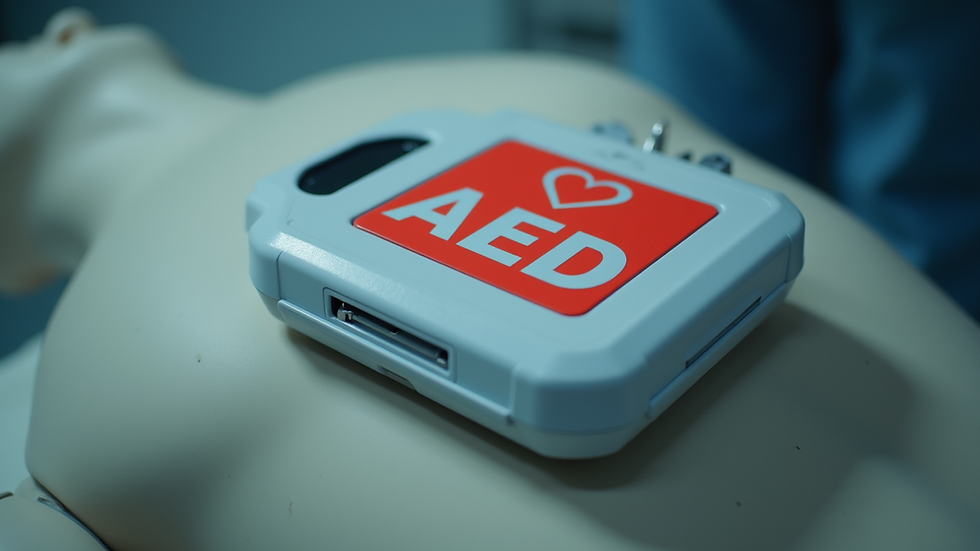
This training is designed to be straightforward and hands-on. You’ll practice with training AEDs that simulate real scenarios, helping you build confidence and muscle memory.
How Long Does Defibrillator Training Take?
One of the most common questions I get is how long it takes to complete AED training. The good news is that it doesn’t require a huge time commitment. Most courses last between 2 to 4 hours, depending on the depth of content and whether CPR is included.
Here’s what you can expect:
Introduction and theory (30-45 minutes): Understanding cardiac arrest, AED function, and safety.
Practical skills session (1-2 hours): Hands-on practice with AED trainers and CPR mannequins.
Assessment and feedback (15-30 minutes): Demonstrating skills and clarifying doubts.
Some providers offer combined first aid and AED training, which may take longer but provides a comprehensive skill set. The key is that the training is concise enough to fit into busy schedules but thorough enough to ensure competence.
Why Everyone Should Consider AED Training
You might wonder if AED training is really necessary if the device is designed to guide users. The truth is, training makes a huge difference in outcomes. When people are trained, they act faster and with more confidence. This reduces hesitation and errors during emergencies.
Here are some reasons to prioritise AED training:
Increased survival rates: Early defibrillation can double or triple survival chances.
Reduced anxiety: Knowing what to do eases fear and panic.
Workplace compliance: Many Australian workplaces require staff to be trained in first aid and AED use.
Community readiness: More trained individuals mean safer public spaces.
For childcare staff, the ability to respond quickly can protect vulnerable children. In corporate settings, it supports a safer work environment and demonstrates a commitment to employee wellbeing.

Practical Tips for Effective AED Training
To get the most out of your training, consider these practical tips:
Choose a reputable provider: Look for nationally recognised courses that follow Australian standards.
Practice regularly: Skills fade over time, so refresh your training every 1-2 years.
Ask questions: Don’t hesitate to clarify any doubts during the session.
Simulate real scenarios: Practice in different environments to build adaptability.
Encourage group learning: Training with colleagues or friends can boost confidence and teamwork.
Remember, the goal is to be ready to act calmly and correctly. The more you practice, the more natural it becomes.
Taking the Next Step: Enrol in Defibrillator Training Today
If you’re ready to gain these life-saving skills, I encourage you to explore defibrillator training options available near you. Investing a few hours in training can empower you to save a life when it counts the most.
Microfirm Training offers nationally recognised courses tailored to individuals, corporate groups, and childcare staff across Australia. Their real-world instruction style ensures you’re not just learning theory but gaining practical, hands-on experience.
By taking this step, you’re joining a community of prepared and confident responders. It’s a simple yet powerful way to make your home, workplace, and community safer.
Learning how to use an AED is more than just a skill - it’s a commitment to being ready when emergencies strike. With the right training, you can become a vital link in the chain of survival. Don’t wait for a crisis to act. Start your AED training basics today and be prepared to save a life.


Comments