

Sports First Aid Training for Athletic Injury First Aid

When it comes to sports, injuries can happen in the blink of an eye. Whether you're on the field, court, or track, knowing how to respond quickly and effectively can make all the difference. That’s why sports first aid training is essential—not just for athletes but for coaches, parents, childcare staff, and anyone involved in physical activities. I’ve seen firsthand how proper first aid knowledge can prevent minor injuries from becoming major setbacks.
In this post, I’ll share practical insights on athletic injury first aid, injury prevention strategies, and why taking a sports first aid course is a smart move for anyone involved in sports or physical activities.
Understanding Athletic Injury First Aid
Athletic injury first aid is the immediate care given to someone who has been hurt during sports or exercise. It’s about stabilising the injury, reducing pain, and preventing further damage before professional medical help arrives.
Common sports injuries include:
Sprains and strains
Fractures and dislocations
Cuts and abrasions
Concussions
Muscle cramps and dehydration
Knowing how to recognise these injuries and respond appropriately is crucial. For example, if someone twists their ankle, applying the RICER method (Rest, Ice, Compression, Elevation, Referral) can reduce swelling and speed up recovery.
Why is this important? Because quick and correct first aid can reduce recovery time and prevent complications. It also boosts confidence among team members and staff, knowing they can handle emergencies calmly.
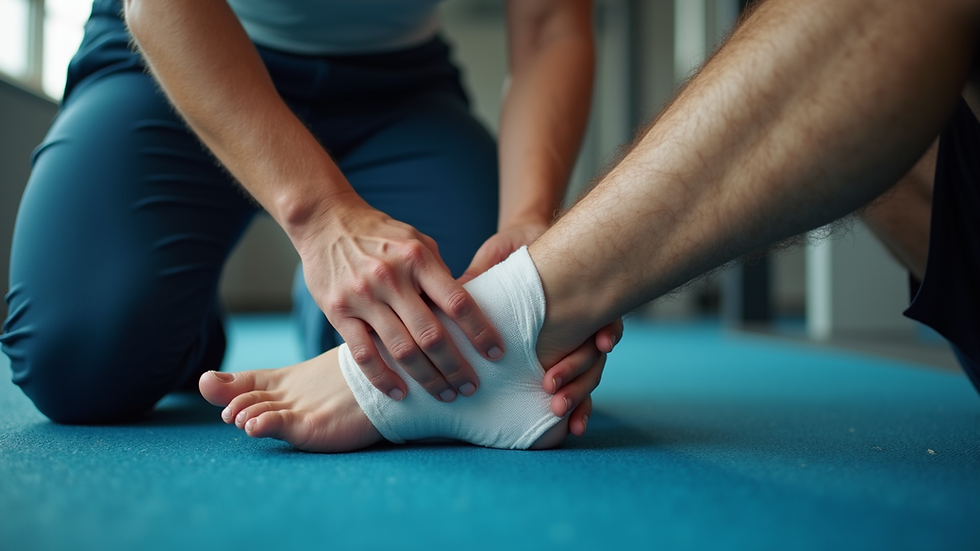
Injury Prevention Through Sports First Aid Training
Prevention is always better than cure. Sports first aid training doesn’t just teach you how to treat injuries—it also equips you with knowledge to prevent them. This includes:
Proper warm-up and cool-down techniques
Safe use of sports equipment
Recognising signs of fatigue or dehydration
Understanding the importance of protective gear
Creating a safe playing environment
For example, a well-structured warm-up increases blood flow to muscles, reducing the risk of strains. Similarly, hydration strategies can prevent cramps and heat-related illnesses.
By learning these preventive measures, you can help create a safer environment for everyone involved in sports activities. This is especially important in childcare settings or corporate sports events where participants may have varying fitness levels.
Essential Skills Covered in a Sports First Aid Course
Taking a sports first aid course provides hands-on experience and confidence to handle sports injuries effectively. Here are some key skills you can expect to learn:
Assessment of Injuries
Learn how to quickly assess the severity of an injury and decide on the best course of action.
CPR and Emergency Response
Be prepared to perform CPR and manage life-threatening situations.
Managing Bleeding and Wounds
Techniques to control bleeding and clean wounds to prevent infection.
Handling Concussions
Recognise concussion symptoms and understand when to seek medical help.
Splinting and Immobilisation
How to stabilise fractures or dislocations before professional care.
Heat and Cold Injuries
Treat heat exhaustion, heat stroke, and hypothermia effectively.
Communication and Documentation
Learn how to communicate with emergency services and document incidents properly.
These skills are invaluable for anyone involved in sports, from coaches to childcare workers. They ensure that you’re not just reacting but responding with knowledge and confidence.

Practical Tips for Applying Athletic Injury First Aid
Knowing the theory is one thing, but applying it in real situations is another. Here are some practical tips to keep in mind:
Stay Calm: Your calmness can reassure the injured person and others around you.
Ensure Safety: Before approaching, make sure the environment is safe for both you and the injured person.
Follow the RICER Protocol: For soft tissue injuries, this method is a reliable first step.
Avoid Moving the Injured Person: Unless there’s immediate danger, avoid moving someone with suspected fractures or spinal injuries.
Use Protective Gear: Always wear gloves when dealing with bleeding to prevent infection.
Monitor Vital Signs: Keep an eye on breathing, consciousness, and pulse.
Seek Professional Help: Know when to call emergency services or refer the person to a healthcare professional.
Remember, first aid is about stabilising and supporting until expert help arrives. Your role is critical in those first few minutes.
Why Sports First Aid Training Matters for Everyone
Sports first aid training is not just for athletes or coaches. It’s a valuable skill set for anyone who might find themselves in a position to help during a sports injury. This includes childcare staff, corporate groups organising team-building activities, and community volunteers.
In Australia, where sports and outdoor activities are a big part of life, having trained individuals ready to respond can save lives and reduce injury severity. Plus, many workplaces and childcare centres require staff to hold current first aid qualifications to meet safety standards.
By investing time in a sports first aid course, you’re not only protecting others but also empowering yourself with confidence and competence. It’s a proactive step towards safer sports environments and healthier communities.
Taking the initiative to learn athletic injury first aid is a powerful way to contribute to safety and wellbeing in sports settings. Whether you’re managing a team, supervising children, or simply passionate about sports, this knowledge is invaluable. I encourage you to explore available training options and make first aid skills a priority. It’s a small effort that can make a huge difference when it matters most.


Comments